
1. Key Concepts
SDGs and EGD
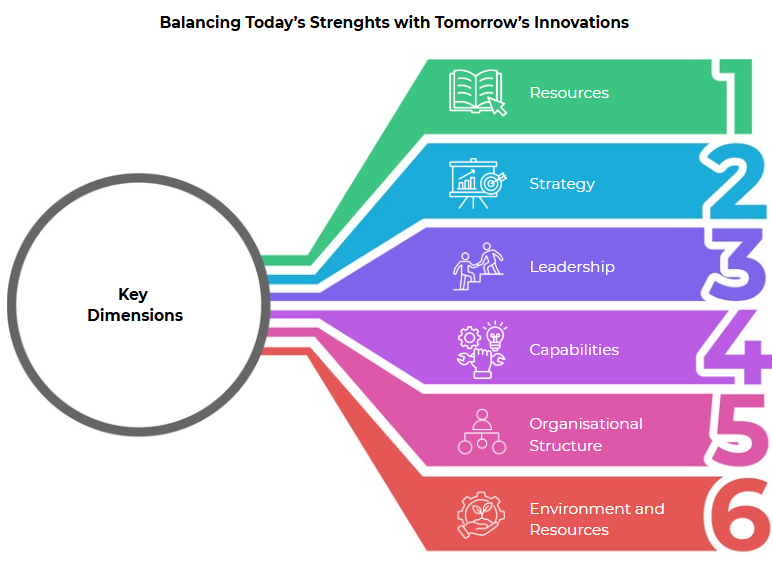
The key dimensions of the green management model (See Figure 2) are implemented by companies to integrate sustainable practices into their business strategies, minimizing negative environmental impact and promoting social responsibility.
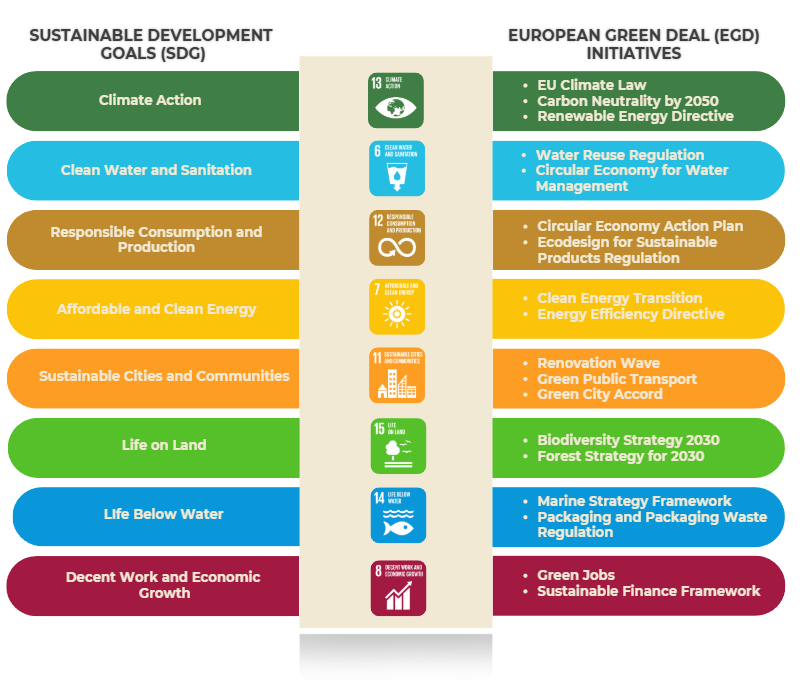
The SDGs represent a strategic target to be inserted in a company management model to:
- Demonstrate its commitment to environmental and social responsibility.
- Ensure its long-term sustainability.
- Attract new customers and lead to cost savings.
The EGD guidelines encourage companies to use renewable energy, design environmentally friendly products and prevent generation of waste.
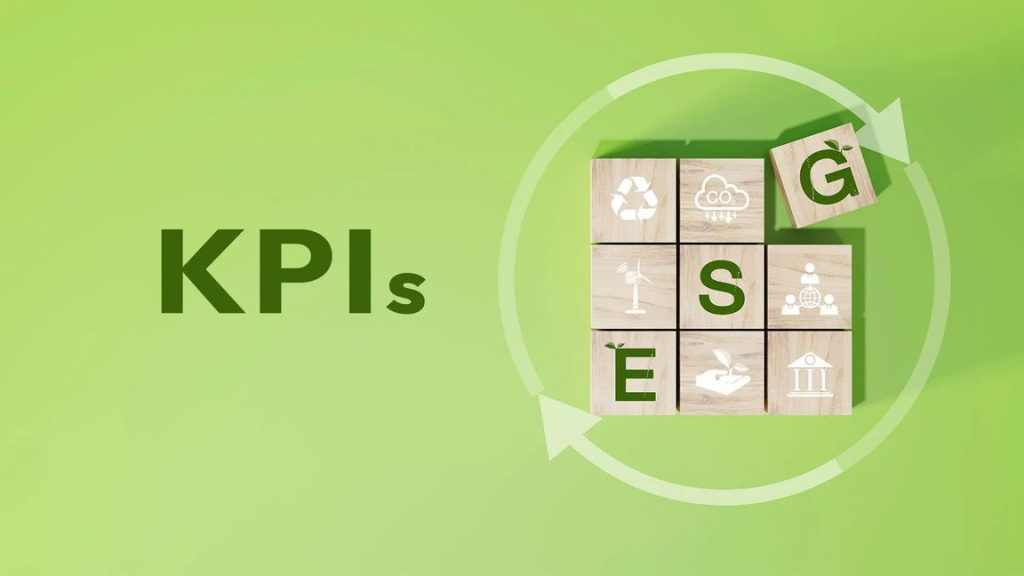
Once a green project management model is in place, it is crucial to monitor and assess progress through the Environmental, Social, and Governance (ESG) Key Performance Indicators (KPIs).
ESG KPIs translate sustainable practices into distinct, measurable criteria, providing a comprehensive view of a company’s sustainability performance and help measure its effort over time. They are essential to reduce companies’ environmental footprint and ensure long-term economic viability.
To gain a deeper understanding of these indicators, we invite you to watch our video.
Benefits
Placing sustainability and green practices at the centre of the business create competitive advantages by improving the business success and attracting and retaining top-performing employees.
- Choosing eco-friendly and sustainable materials reduce both the carbon footprint and costs (i.e., for a construction project, opting for recycled steel or sustainably sourced timber).
- Evaluating suppliers based on their sustainability practices contributes to the preservation of natural resources and ecosystems.
- Reducing energy and water consumption and costs by implementing energy-efficient lighting and HVAC systems.
- Reduce waste by implementing trash management techniques, such as recycling programs, regular monitoring of waste production, and measures to improve the system.
- Reusing and recovering materials, such as office furniture, to avoid more landfill and encourage circular thinking.
- Adopting new administrative practices, such as paperless policies and using digital tools.
- Encouraging carpooling, use of electric vehicles or public transport for employees to promote sustainable transportation.
- Promotion of remote work to reduce commuting emissions.
- Fostering a culture of sustainability by providing training and engaging the employees in conversations about the sustainable goals and practices to be implemented will build awareness and encourage participation (i.e., rewarding team members who contribute innovative ideas for improving sustainability through bonuses or recognition).

Case Study
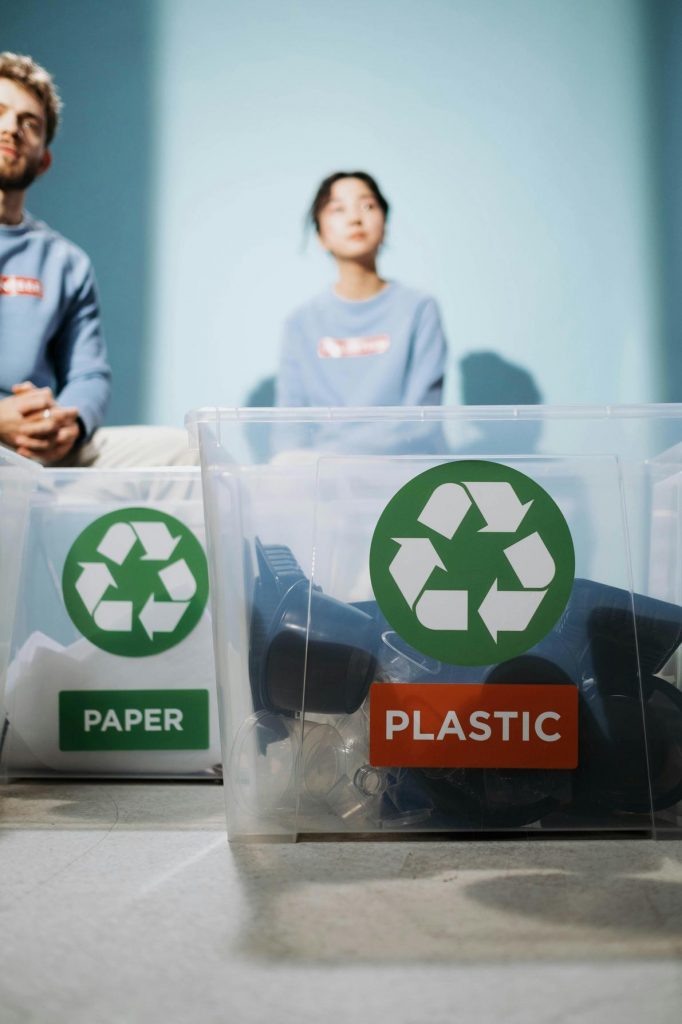
Grupo El Castillo has taken initial steps to incorporate green practices, such as minimizing paper usage, separating waste, and reducing consumption at the head office. The growing awareness among employees has boosted positive impact in the company’s internal reputation and employee wellbeing.
Moreover, they are trying to implement ISO 14001 for environmental management in the socio-healthcare sector, but it is challenging because both employees and patients must adopt waste-separation practices.
Grupo El Castillo shows that while embracing sustainability can be challenging, small steps can lead to lasting impact and meaningful change in business and beyond.
To explore another case study, we invite you to watch our video, which shows how one of Spain’s oldest family-owned vineyards has included sustainable practices into its business strategy.
2. Interactive Activity
The Family Business Sustainability Challenge
We propose you to carry out the following activity:
The Family Business Sustainability Challenge
Duration: 60–90 minutes.
Activity format: Group work (3–5 participants per group).
The activity will be structured in five steps:
Step 1: Assess Current Operations
Each group receives a checklist. Specific business operations will be listed (i.e., production, packaging, logistics, etc.) and in the first row, specific areas will be inserted (i.e., energy consumption, waste production, water usage, etc.). Participants are asked to assess the extent to which each operation affects each area by assigning a score from 1 (very low impact) to 10 (very high impact). Moreover, they will have a blank space to add comments and possible improvements for the environmental performance of the company.
Step 2: Identify Priorities
Each group should brainstorm and identify 2–3 operations where green practices can be introduced/improved. A list of priority green goals should be drafted by each group aligned with the business values (i.e., a company that produces and sells solar panels may focus on affordable and clean energy as their priority green goal, but reflecting on their supply chains, they could identify responsible consumption and production as an additional priority).
Step 3: Set Specific and Measurable Goals
Each group will define 2-3 SMART (Specific, Measurable, Achievable, Relevant, Time-bound) goals for implementing green practices (i.e., switch to 100% recyclable packaging by next product cycle), specifying the ESG KPIs to be used to assess the goals and who will be responsible.
Step 4: Green the Supply Chain
Each group will discuss opportunities to introduce sustainable practices in the company.
Step 5: Building a Green Management Plan
Each group presents their Green Management Plan briefly. Based on the identified common themes, the company’s green management plan will be drafted and implemented.
3. Self-Assessment
4. Resources and Further Reading
- The European Green Deal – consilium.europa.eu/en/policies/european-green-deal/
- United Nations Sustainable Development Goals (SDGs) – sdgs.un.org/es/goals
- ESG Tool – esgtool.eu/en
- European Green Deal – European Green Deal: Achieving Climate Neutrality and Economic Growth; What is the European
Green Deal and why is it important?
5. References
- Aboelmaged, M. G., & Hashem, G. (2019). Absorptive capacity and green innovation adoption in SMEs: The mediating effects of sustainable organisational capabilities. Journal of Cleaner Production, 220, 853–863. doi.org/10.1016/ j.jclepro.2019.02.150
- Jamil, M., Stephens, S., & Md Fadzil, A. F. (2025). Sustainability in family business settings: A strategic entrepreneurship perspective. Journal of Family Business Management, 15(1), 29–47. doi.org/10.1108/JFBM-01-2024-0001
- KPMG Private Enterprise & STEP Project Global Consortium. (2023). A road well‑traveled: How family businesses are guiding the sustainability journey.
- Lamenta, Z. A., & Grzybowska, K. (2023). Impact of the European Green Deal on Business Operations—Preliminary Benchmarking. Sustainability, 15(10), 7780. doi.org/10.3390/su15107780
- Osei-Asibey, D., Kapogiannis, G., Saddul, K., Opoku, A., & Abu, I. M. A. (2024). The contribution of project management to the sustainable development goals. In The Elgar Companion to the Built Environment and the Sustainable Development
Goals (pp. 500–522). Edward Elgar Publishing. doi.org/10.4337/ 9781035300037.00040 - Oxford University, Smith School of Enterprise and the Environment. (n.d.). Sustainable Business Development: Achieving the Sustainable Development Goals (SDGs). Smith School Online Courses Blog. Retrieved August 8, 2025, from here.
- Rodrigues, M., & Franco, M. (2023). Green innovation in small and medium‑sized enterprises (SMEs): A qualitative approach. Sustainability, 15(5), Article 4510. doi.org/10.3390/su15054510